


Natural Astaxanthin Oil and Powder from Haematococcus Pluvialis Source
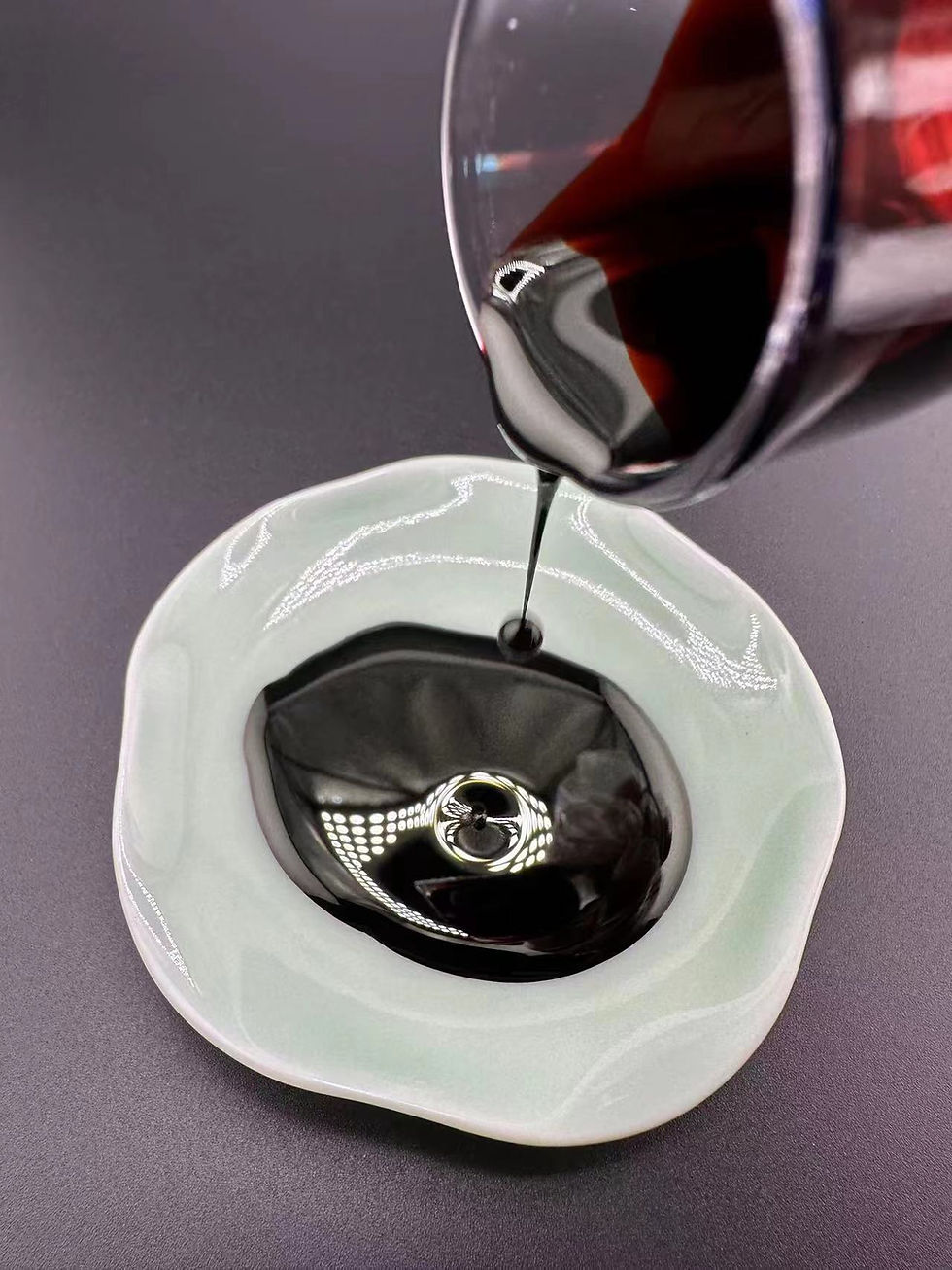
Astaxanthin is one of those ingredients where the source, format, and assay method matter as much as the name on the label. A product listed as astaxanthin may look simple at first, but formulators still need to ask practical questions: Is it oil or powder? Is it water dispersible? What is the active content by HPLC? Is the source clearly identified?
ACNS001 from A Clover Nutrition Inc is a Haematococcus pluvialis sourced astaxanthin ingredient line offered in both oil and powder formats. It is designed for use across cosmetics, personal care, food and beverage, and dietary supplement applications where a high-purity natural carotenoid ingredient is needed.
For formulators, Natural astaxanthin is appealing because it combines a recognizable natural source with flexible delivery options. The key is choosing the grade that fits the finished product, not simply choosing the highest percentage on the specification sheet.

Haematococcus pluvialis gives astaxanthin a defined natural source
Haematococcus pluvialis is a freshwater microalga known for producing astaxanthin, a red-orange carotenoid pigment. In ingredient sourcing, that clear botanical and algal identity matters. It helps manufacturers document the ingredient origin and connect the finished product to a recognized natural source.
The ingredient is commonly used in areas such as:
Dietary supplement softgels and capsules
Functional food and beverage products
Cosmetic and personal care formulas
Color-focused specialty formulations
Nutraceutical ingredient blends
Astaxanthin’s red-orange color is part of its identity. It can influence the shade of oils, powders, softgels, and finished blends. That can be an advantage when the product concept benefits from a naturally rich color, but it also means formulators should test it early in the development process.
The CAS number for astaxanthin is 472-61-7, which helps quality teams match documentation across specifications, certificates of analysis, safety records, and purchasing systems.
When comparing Natural astaxanthin oil, Natural astaxanthin powder, and Haematococcus pluvialis extract, the best choice depends on the dosage form, processing method, solubility needs, and desired active content.
ACNS001 specifications cover oil, powder, and cold water soluble formats
ACNS001 is offered in multiple grades so manufacturers can match the ingredient to different product types. Some formulas need an oil-based ingredient for softgels. Others need a dry powder for tablets, capsules, sachets, solid beverages, or pre-mixes. A cold water soluble powder can be useful when dispersion in water is a key requirement.
ACNS001 grade | Specification | Common fit |
Natural Astaxanthin Oil | 5.0% HPLC | Softgels, oil blends, lipid-based formulas |
Natural Astaxanthin Oil | 10.0% HPLC | Higher-potency oil applications |
Natural Astaxanthin Cold Water Soluble Powder | 2% | Beverage powders, water-dispersible systems |
Natural Astaxanthin Powder | 5% | Capsules, tablets, dry blends |
Natural Astaxanthin Powder | 3% | General powder applications and blends |
The HPLC specification is important because it identifies the analytical method used to measure the active component. For procurement and quality teams, HPLC-based specification makes comparison clearer across batches and suppliers.
A higher active percentage is not always the best choice. A 10% oil may reduce the total ingredient load in a softgel, while a 2% cold water soluble powder may perform better in a beverage system that needs easy dispersion. The target use should guide the grade selection.

Oil and powder formats behave differently in real formulas
Choosing between oil and powder is a formulation decision. The same active ingredient can perform very differently depending on the carrier and finished dosage form.
Oil grades suit lipid-based products
Natural astaxanthin oil is often selected when the finished product already contains oils or lipids. That includes softgels, liquid oil blends, and certain cosmetic oil phases.
Oil formats can be easier to incorporate into:
Softgel fill materials
Beauty-from-within oil blends
Lipid-based supplement formulas
Emulsion systems with an oil phase
Personal care products that use oils or esters
The 5.0% HPLC grade may suit standard oil-based development, while the 10.0% HPLC grade can help reduce the amount of ingredient needed to reach a target astaxanthin level. The best choice depends on fill weight, carrier oil system, processing temperature, and label goals.
Because carotenoids can be sensitive to heat, light, and oxygen, formulators should test processing conditions carefully. Protective packaging, controlled exposure to air, and suitable storage conditions can help maintain product quality.
Powder grades work well in dry systems
Powder grades are practical for tablets, hard capsules, dry blends, sachets, and premixes. ACNS001 powder options include 3% and 5% grades, giving formulators room to balance active content, flow, blend uniformity, and cost per finished unit.
Powder behavior depends on more than active content. Teams should evaluate:
Particle size
Bulk density
Flow properties
Dispersibility
Compatibility with excipients
Color impact in the finished blend
A good powder grade should blend evenly and remain stable under normal handling conditions. For tablet or capsule manufacturing, flow and uniformity can be just as important as assay.
Cold water soluble powder helps with drink formats
The 2% cold water soluble powder is designed for applications where water dispersion matters. This may include powdered beverages, instant drink mixes, and other formats where consumers expect the product to disperse without a long mixing time.
Cold water soluble does not mean invisible, tasteless, or colorless. Astaxanthin has a strong natural color, and the finished product should be tested for appearance, mouthfeel, sediment, and compatibility with flavors, acids, minerals, sweeteners, and other active ingredients.
Quality checks should start before the purchase order
Astaxanthin ingredients are often used in products where consistency matters. A purchasing decision should include both commercial details and technical documentation.
For ACNS001, the commercial terms are clear:
Item | Detail |
Product type | Natural astaxanthin oil and powder |
Source | Haematococcus pluvialis |
CAS | 472-61-7 |
Lead time | 2 to 4 working days |
Minimum order quantity | 1 kg |
Sample availability | Samples can be offered based on required quantity |
Before approval, quality and R&D teams should review the certificate of analysis, specification sheet, allergen status if needed, solvent or carrier details, microbiological limits for powders, heavy metal controls, and storage guidance. If the ingredient will be used in food, beverage, or dietary supplement products, regulatory review should confirm that the intended use and market requirements are satisfied.
For cosmetics and personal care, teams should check INCI considerations, color impact, odor, oil phase compatibility, and performance in the final base. Ingredient acceptance should always be based on finished-formula testing, not the raw material specification alone.
A practical qualification process may include:
Request the exact grade that matches the application.
Review the specification and test method.
Test a sample in the intended formula.
Check stability under expected storage conditions.
Confirm packaging, lead time, and batch documentation.
Approve the supplier only after technical and quality review.
This careful process helps avoid common problems such as poor dispersion, unexpected color shift, uneven blending, or a mismatch between active content and finished-product requirements.
A Clover Nutrition Inc supports high-purity natural ingredient sourcing
A Clover Nutrition Inc is a manufacturer based in Xi’an, Shaanxi, China, with more than 11 years of experience in herbal extracts, cosmetic ingredients, personal care ingredients, food and beverage applications, and nutraceutical raw materials.
The company focuses on high-purity natural products and active ingredients for manufacturers that need consistent specifications and practical supply support. Its product range includes ACNS001 astaxanthin grades as well as other plant and algae-derived ingredient lines.
The company’s trademark portfolio includes:
Clovercn®
ACNastaxan®
ACNalage®
ACNature®
UNDARIA PINNATIFIDA®
A Clover Nutrition Inc also lists several patented or specialty product areas, including:
Product area | Specification range |
Epimedium Extract | Icariin 10 to 98% HPLC |
Truncatum Extract | Nervonic Acid 90 to 98% GC |
Cyanotis Arachnoidea | Hydroxyecdysone 50 to 98% HPLC |
Lotus Leaf Extract | Nuciferine 1 to 98% HPLC, Lotus flavonoids 10 to 30%, Water soluble nuciferine 10% |
Cistanches Herba Extract | Total glycosides 80 to 85% |
This wider ingredient background can be useful for manufacturers that source multiple botanical, algae, or nutraceutical ingredients from one supplier. It can also simplify communication when teams need related extracts, different assay strengths, or documentation across several product categories.
留言